
↓Solar Panel Rotating Mechanism
Unlocking New Potential of Solar Energy: The Transformation of Dual-Axis Tracking Rotating Support System
Energy Crisis and the Rise of Solar Energy
In the current era, the global energy pattern is facing unprecedented challenges. With the acceleration of industrialization and urbanization, human demand for energy continues to rise. For a long time, fossil fuels have occupied a dominant position in the global energy structure; however, the problems caused by over-reliance on fossil fuels have become increasingly prominent. On one hand, fossil fuels are non-renewable resources, and their reserves are limited. With continuous exploitation, they are gradually approaching depletion. According to the International Energy Agency (IEA), at the current consumption speed, global oil reserves may only last several decades, and the exploitable years for coal and natural gas are also not optimistic. On the other hand, burning fossil fuels releases a large amount of greenhouse gases, such as carbon dioxide and methane, which are among the main causes of global warming. Global warming triggers a series of severe environmental problems, including glacier melting, sea-level rise, and frequent extreme weather events, posing huge threats to human survival and development.
Against this backdrop, solar energy, as a clean energy source, stands out with its unique advantages, becoming an important direction for global energy transition. Solar energy is inexhaustible; its energy source is the sun, and as long as the sun exists, solar energy will not be depleted. At the same time, solar energy produces almost no pollutants during utilization, causing no contamination to air, water, or soil, which is of great significance for environmental protection. Furthermore, solar energy is widely distributed; whether on vast land or extensive seas, solar radiation can be received. This makes solar energy development and utilization unrestricted by location, providing the possibility of achieving energy self-sufficiency globally.
In recent years, the solar energy industry has developed rapidly. Statistics show that global installed photovoltaic (PV) capacity has risen year by year, from about 40 GW in 2010 to over 1400 GW in 2023, with a compound annual growth rate exceeding 20%. More and more countries and regions are incorporating solar energy into national energy development strategies, increasing support for solar technology R&D and industrial development. However, although solar energy development has achieved remarkable results, its proportion in the global energy structure is still relatively low, and its potential has not been fully tapped. To achieve large-scale application and sustainable development of solar energy, many challenges remain, among which improving solar energy utilization efficiency is key. Against this background, research and development of high-efficiency solar energy utilization technology is particularly important, and solar panel support rotating mechanisms, as a key technology to improve solar utilization efficiency, have gradually become a research hotspot.
Analysis of Traditional Solar Panel Support Structures
(1) Structure of Traditional Fixed Support Frames
Traditional fixed solar panel support frames usually adopt a relatively simple design, mainly composed of metal frames. The frames are generally connected through bolts or welding, forming a stable planar structure. During installation, the frame specifications are first determined according to the solar panel dimensions, and then the frame is fixed at the preselected installation location, such as ground, roof, or other building surfaces. The fixation method usually uses expansion bolts to tightly connect the frame with the foundation structure to ensure stability under various environmental conditions. This installation method is relatively simple, requires low technical skill, and does not need complex equipment or professional skills; a general construction team can complete the installation. At the same time, due to the simple structure, fewer components are required, and the procurement and transportation costs are relatively low.
(2) In-depth Analysis of Performance Shortcomings
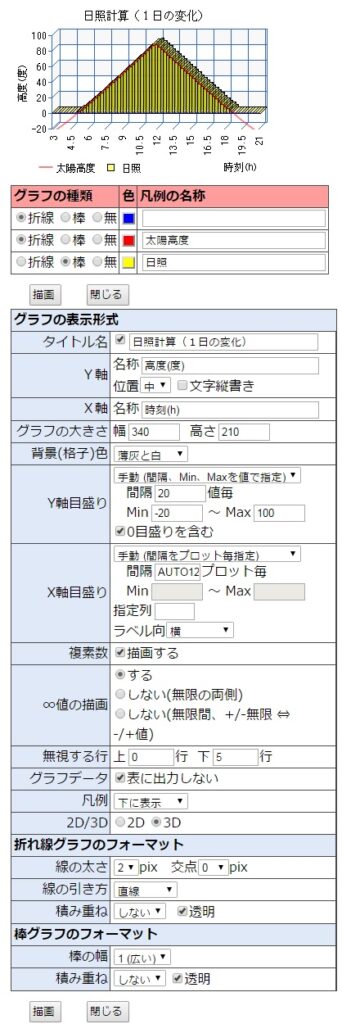
- Poor Adaptability to Sun Position Changes: Because traditional fixed support frames have a fixed solar panel angle, once installed, they cannot adjust in real time according to the sun’s position. The sun’s trajectory changes continuously throughout the day, rising in the east, passing through the south, and finally setting in the west, with its altitude and azimuth constantly changing. Fixed-angle solar panels can only receive optimal light at specific times and positions. At other times, the angle between sunlight and the solar panel changes, reducing absorption efficiency. For example, in the morning and evening, the solar altitude is low, and light strikes the panel obliquely; compared with noon when the sun is overhead, the effective light intensity received by the panel is significantly reduced, and generation efficiency decreases accordingly.
- Limited Efficiency Across Different Times and Seasons: Besides daily solar movement, seasonal changes in solar trajectory and altitude also exist. In winter, the solar altitude is generally low and daylight is shorter; in summer, altitude is higher and daylight longer. Fixed panels cannot adjust according to seasons, so optimal generation cannot be maintained year-round. In northern regions, for example, the winter solar altitude is 30°–40° lower than in summer. If panels are installed at the summer optimum angle, winter efficiency may decrease by 30%–50%, affecting overall system output and utilization of solar resources.
- Insufficient Adaptability to Harsh Weather: Traditional fixed frames have safety risks in strong wind, heavy rain, or snow. Fixed panels are exposed to wind forces and cannot adjust according to wind direction or intensity, potentially causing panels to fall, be damaged, or frame deformation. In some coastal or windy areas, wind-related solar panel damage accounts for 30%–40% of total incidents annually. Heavy rain or snow accumulation increases load, potentially causing collapse. Long-term rain exposure can also corrode metal components, reducing structural strength.
- Installation Environment Limitations: Fixed-frame panels require solid foundations and sufficient space. This limits applications in complex environments, such as floating PV on water, portable solar devices, or rugged mountainous areas.
Innovation Design of Rotating Support Mechanism by San Fan Mechanical Industry
(1) Birth of Design Concept
Based on in-depth research of traditional support structure problems, the R&D team began conceiving a new rotating support mechanism. They realized that improving solar utilization efficiency depends on solving adaptability to sun position changes. Observing many solar projects, they found the sun’s motion in the sky has regularity; azimuth and altitude change with time and season. They proposed a design where panels automatically track the sun to keep perpendicular or near-perpendicular to sunlight for maximum radiation reception. They also emphasized structural stability, durability, and installation convenience, designing a mechanism suitable for complex environments.
Through multidisciplinary methods—mechanical engineering, electronic control, material science—they performed extensive simulations and experiments, validating and optimizing designs. Structure design used CAD and finite element analysis for mechanical performance, while control algorithms used high-precision solar tracking models for precise rotation control.
(2) Core Structural Components
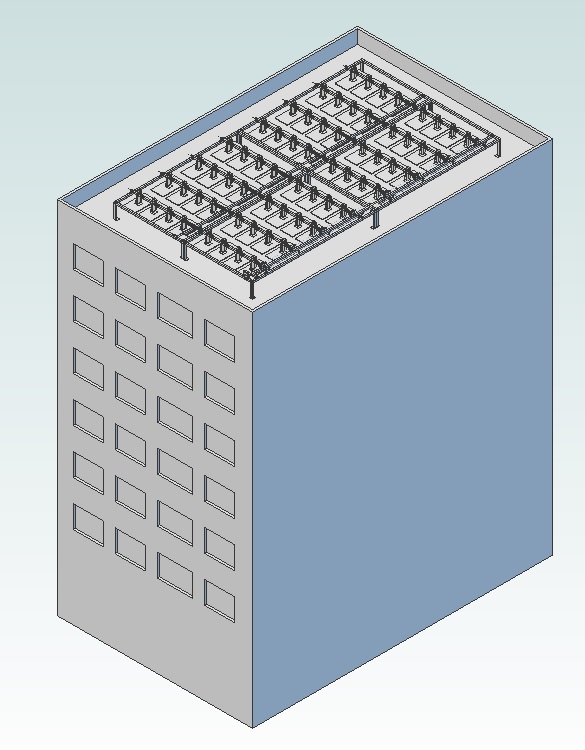
- Support Frame: Parallel frame bars form the skeleton, providing a larger support area and stability. Spacing can adjust for different panel sizes. Made of high-strength aluminum alloy or steel for durability and load capacity.
- Support Units: Each unit independently carries a panel. Independent units enable even distribution, maintenance, and replacement without affecting other panels. Equipped with special clamps for secure yet adjustable installation.
- Rotating Mechanism:
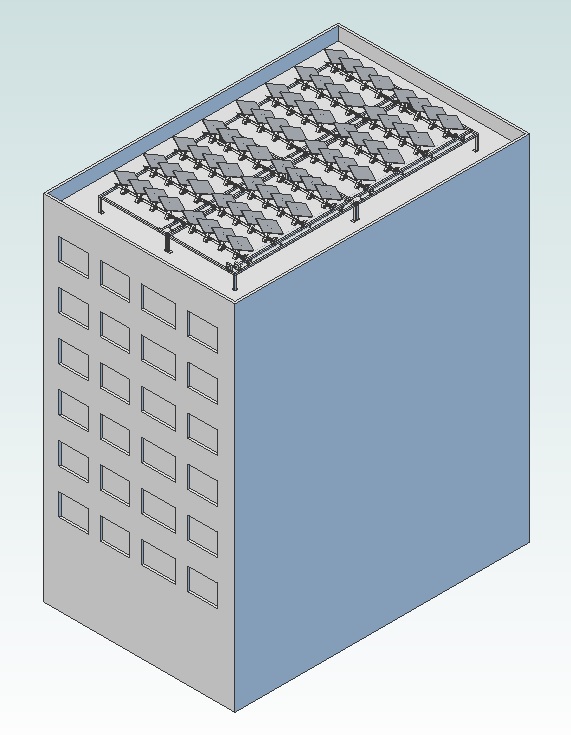
- X-axis: Enables multiple panels to track east-west solar movement, motor-driven via gears, chains, or belts. Control unit adjusts rotation based on sun position sensor data.
- Y-axis: Adjusts panel tilt to match solar altitude. Sliding rods and linkages driven by motors convert linear motion to rotation for tilt adjustment. High-precision bearings reduce friction.
- Drive Control Unit: Acts as the brain, controlling dual-axis rotation according to real-time sun position sensor data. Provides protection in harsh weather, fault diagnostics, and alarm functions.
Operating Principles and Smart Control Strategies
(1) Solar Position Tracking Algorithm
Based on astronomy, calculates sun azimuth (-180° to +180°) and altitude (0°–90°). Takes date, time, and geographic location into account. Spherical trigonometry models derive precise angles. The system translates angles to X and Y rotation commands for panels to track east-west movement and adjust tilt.
(2) Real-Time Dynamic Adjustment Mechanism
Actuators, under control unit commands, drive panels to maintain maximum light angle. Equipped with position sensors and feedback control, deviations from target angles are corrected immediately for precise real-time tracking.
(3) Harsh Weather Protection Strategy
During sunset or harsh conditions, panels move to horizontal or reverse positions for protection. Wind sensors trigger protective rotation; rain or snow causes tilt adjustment for shedding; extreme hail may retract panels fully. Post-weather, maintenance-friendly positions facilitate inspections.
Outstanding Performance and Broad Application Prospects
(1) Technical Features and Advantages
- Significant Efficiency Improvement: Dual-axis tracking improves generation by 30%–50% compared to fixed frames.
- Large-Scale Application Convenience: Multi-panel synchronous rotation simplifies large solar farm installation and expansion.
- Enhanced Safety: Automatic reverse/retract protection reduces damage in harsh weather by 80%–90%.
- Wider Environmental Adaptability: Suitable for land, water, desert, mountain, and floating PV environments.
- Maintenance Cost Reduction: Modular replaceable units reduce time and cost by 40%–60%.
(2) Potential Application Areas
- Large solar farms and aquaculture ponds (ground installation)
- Floating PV systems
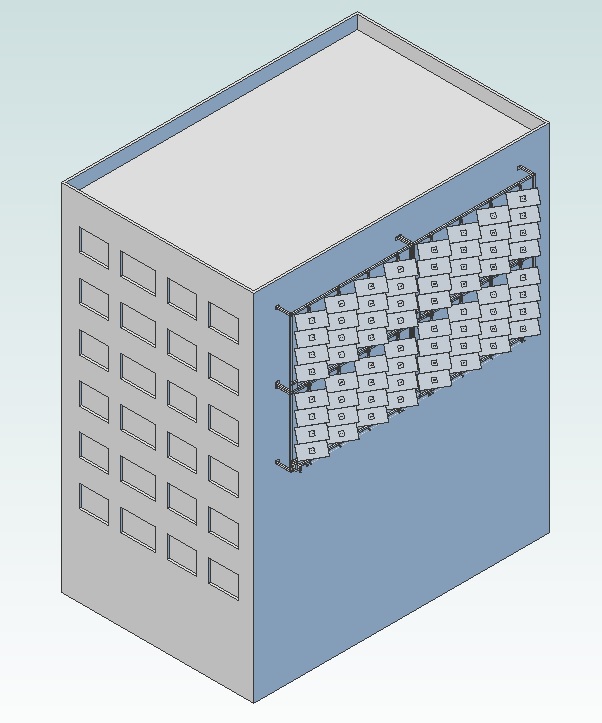
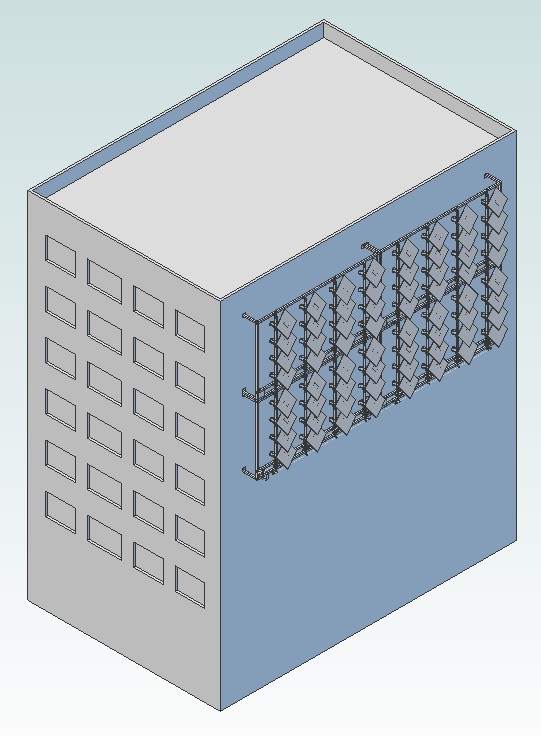
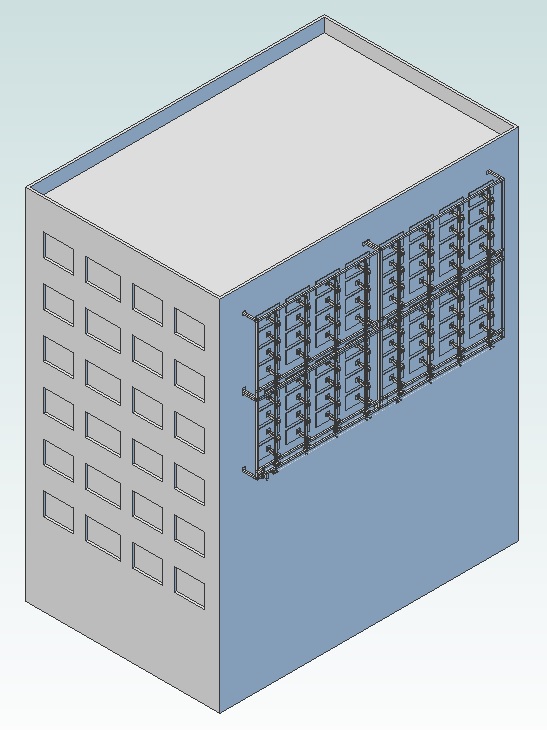
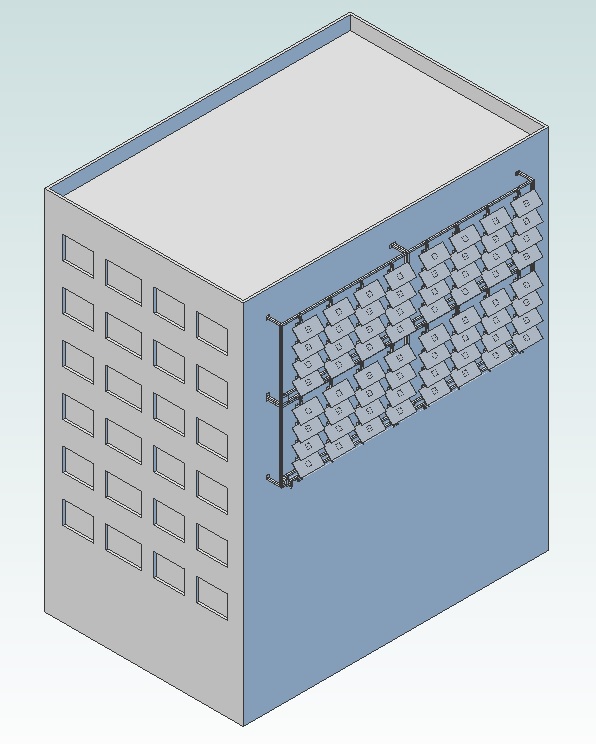
- Building-integrated PV (BIPV)
- Smart grids and integrated energy facilities
Conclusion and Outlook
San Fan Mechanical Industry’s solar panel rotating support mechanism achieves a major technical breakthrough, overcoming limitations of fixed frames. Dual-axis tracking ensures optimal radiation reception, significantly improving efficiency. The system’s integrated design of support frame, support units, rotating mechanisms, and drive control unit creates a highly efficient, stable, and intelligent structure.
With sustainable energy development, this mechanism contributes to higher solar energy share, energy transition, efficient land use, integration with water surfaces, architectural PV, and smart grids. Future developments may include smarter AI algorithms, advanced materials, and new application fields such as mobile energy and aerospace. It represents an effective solution for current energy challenges and a force for global sustainable energy development.